
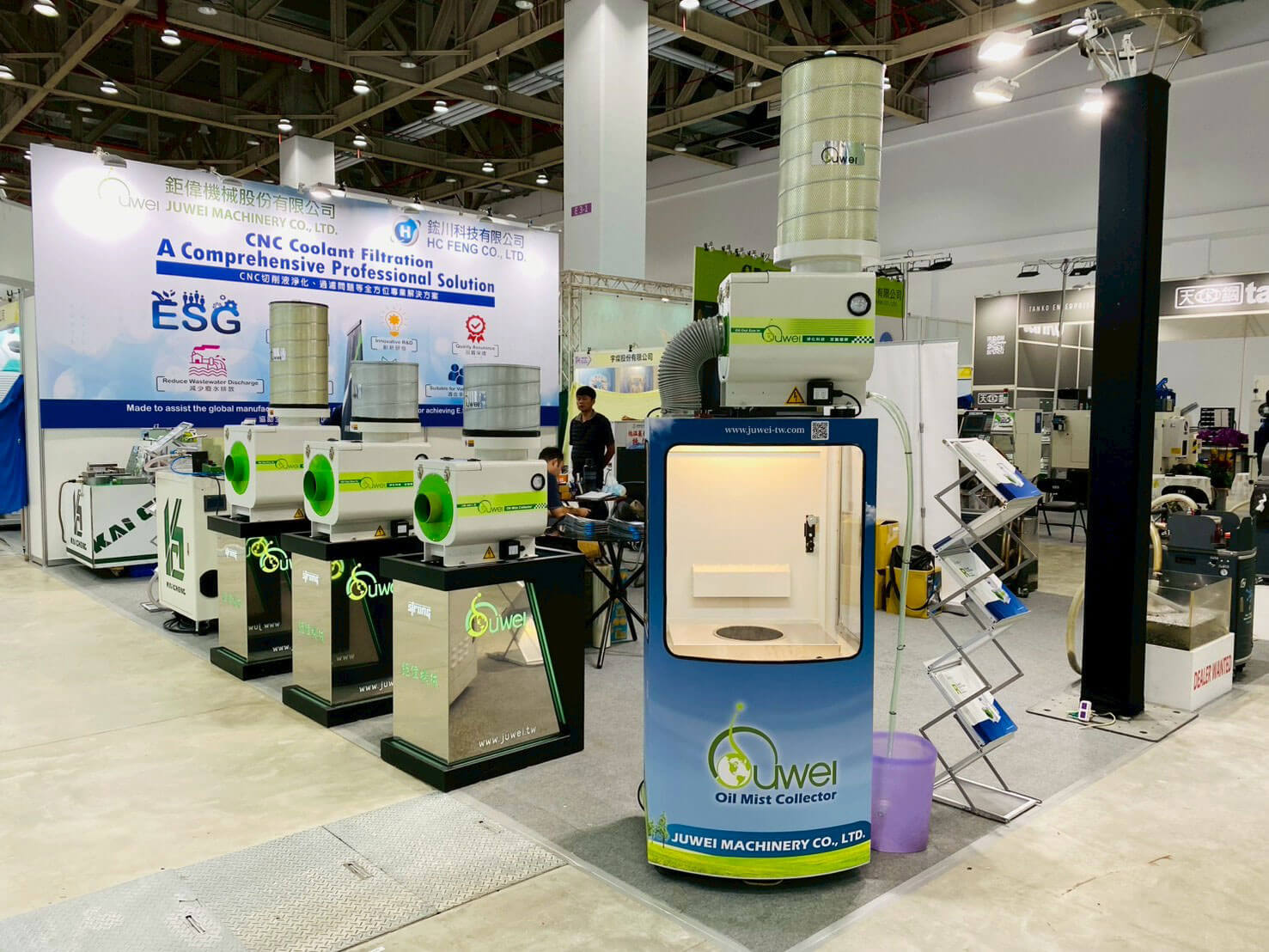
Industrial air purification is entering a more demanding stage in 2026. Oil mist control is no longer only about keeping production areas visibly cleaner. It is becoming closely tied to environmental compliance, energy efficiency, operating cost control, and long-term manufacturing sustainability. As global markets place more pressure on cleaner production and responsible energy use, factories that continue to rely on outdated oil mist control systems may face rising maintenance costs, unnecessary fluid waste, and greater difficulty meeting future environmental expectations.
Why 2026 Marks A Clear Shift In Oil Mist Control Priorities
The global manufacturing sector is moving toward stricter environmental management and more efficient resource use. Although regulations vary across countries and industries, the direction is consistent: cleaner air, lower emissions, better energy performance, and more sustainable factory operations.
This shift is changing how oil mist collectors are evaluated. In the past, many facilities focused mainly on removing visible airborne mist. In 2026, that standard is no longer enough. Greater attention is being paid to whether a system can maintain stable filtration efficiency, reduce energy waste, recover usable oil, and support cleaner production over the long term.
As a result, oil mist control is no longer treated as a simple accessory for machine tools. It is increasingly viewed as part of a broader air purification and energy management strategy.
How Global Environmental Trends Are Changing Market Expectations
One of the most important developments in 2026 is the stronger connection between environmental performance and manufacturing competitiveness. More companies are being asked to show that their production environments are cleaner, more efficient, and better aligned with sustainability goals. This affects not only external emissions, but also internal air quality and waste control inside production sites.
Several market expectations are becoming more visible:
- Better control of fine airborne contaminants
- Reduced oil mist spread in enclosed production areas
- Lower waste of coolant and lubricating oil
- Improved energy efficiency in air filtration equipment
- More durable systems that reduce maintenance frequency
These changes matter because oil mist problems often extend beyond air quality alone. Once mist accumulates on machines, walls, ducts, and surrounding surfaces, it can increase cleaning burden, affect equipment condition, and create avoidable operating inefficiencies.
Why Energy-Saving Regulations Matter More Than Before
Rising energy costs are only part of the issue. In many markets, energy-saving regulations and carbon-reduction policies are pushing manufacturers to examine how every support system performs, including air filtration and mist collection equipment. A collector that delivers strong suction but consumes excessive power is becoming harder to justify.
In 2026, energy performance will increasingly be judged through total operating efficiency rather than single-point extraction strength. That means manufacturers are paying more attention to:
Stable Airflow Performance
Unstable airflow can reduce mist capture efficiency and increase operating burden. Systems that maintain more consistent airflow are better positioned to support both clean air and efficient operation.
Lower Long-Term Power Consumption
Energy-saving goals are encouraging demand for systems that can perform effectively without creating unnecessary electricity costs. This makes overall design efficiency more important than oversized power alone.
Reduced Maintenance Interruption
Equipment that clogs easily or requires frequent service can indirectly increase energy waste and operating inefficiency. In many facilities, maintenance stability is now part of the energy-saving conversation.
What Manufacturers Should Look For In 2026
As environmental and energy requirements continue to tighten, the most competitive oil mist control systems will be those that solve multiple problems at once. Instead of focusing only on basic mist extraction, manufacturers should look for solutions that improve operational efficiency in a broader sense.
The most important capabilities now include:
- High-efficiency filtration for fine oil mist capture
- Low noise and vibration for more stable machine-side operation
- Effective oil recovery to reduce waste
- Reliable performance across continuous industrial use
- Flexibility to match different machine types and application environments
This is especially important in applications such as CNC lathes, milling machines, grinding machines, and electrical discharge machining, where oil mist can remain suspended in the air and spread quickly through enclosed spaces.
How Juwei Responds To These Industry Changes
At Juwei, we see these 2026 trends reinforcing the need for oil mist collection systems that combine filtration performance, operating efficiency, and application flexibility. This is why our solutions are developed not only to capture oil mist effectively, but also to support cleaner and more practical industrial air management.
Our oil mist collectors are applied across a wide range of environments, including CNC lathes, milling machines, grinding machines, electrical discharge machining, stamping factories, petrochemical processing plants, and electronics clean room settings. This broad application experience matters because different processing conditions create different mist behaviors, airflow demands, and installation requirements.
Juwei also emphasizes the features that are becoming more important under current market trends: filtration efficiency up to 99.9%, high efficiency with low noise and vibration, strong mist interception through a 3D hitting principle, and turbo-type blade wheel design for powerful centrifugal force and suction. In suitable operating conditions, collected oil can be reused directly, helping reduce fluid waste while supporting more resource-conscious production. For manufacturers requiring customized integration, our OEM/ODM experience also provides added flexibility.
Preparing For A More Regulated And Efficiency-Driven Future
The 2026 direction is clear. Industrial air purification and oil mist control are being shaped by stronger environmental expectations, tighter energy-saving requirements, and a broader push toward sustainable manufacturing. The factories that prepare early will be in a better position to reduce waste, maintain cleaner operating environments, and respond more confidently to future compliance demands.
At Juwei, we believe oil mist control should help manufacturers achieve more than cleaner air alone. It should also support energy efficiency, operational stability, and long-term production improvement. If you are planning to upgrade an existing system, evaluate a new installation, or discuss cooperation, we welcome you to contact Juwei for further discussion.